Lifeology · The music of the Vitaverse · Romeo Sapien, Chorus Angelicus and the Open Heart Band
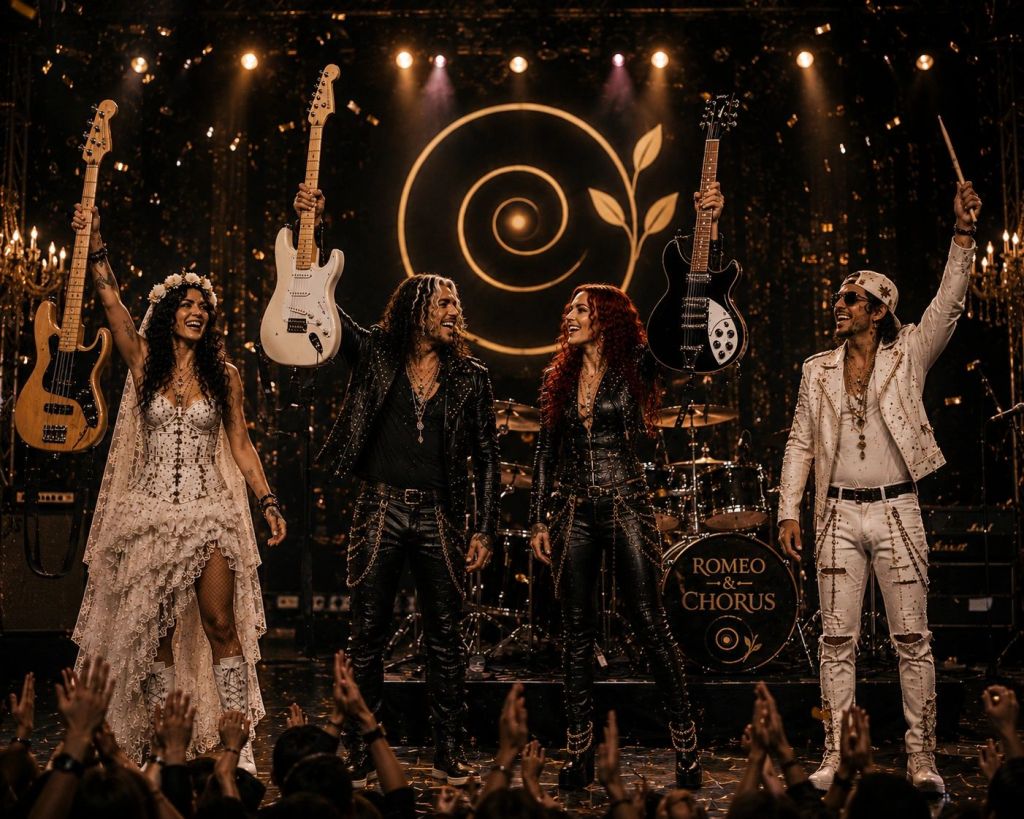
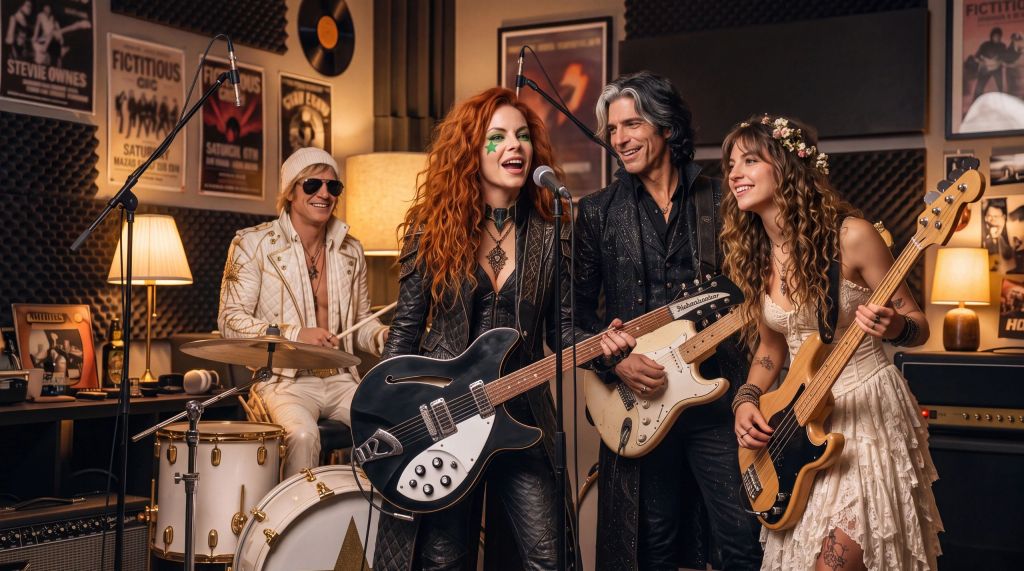
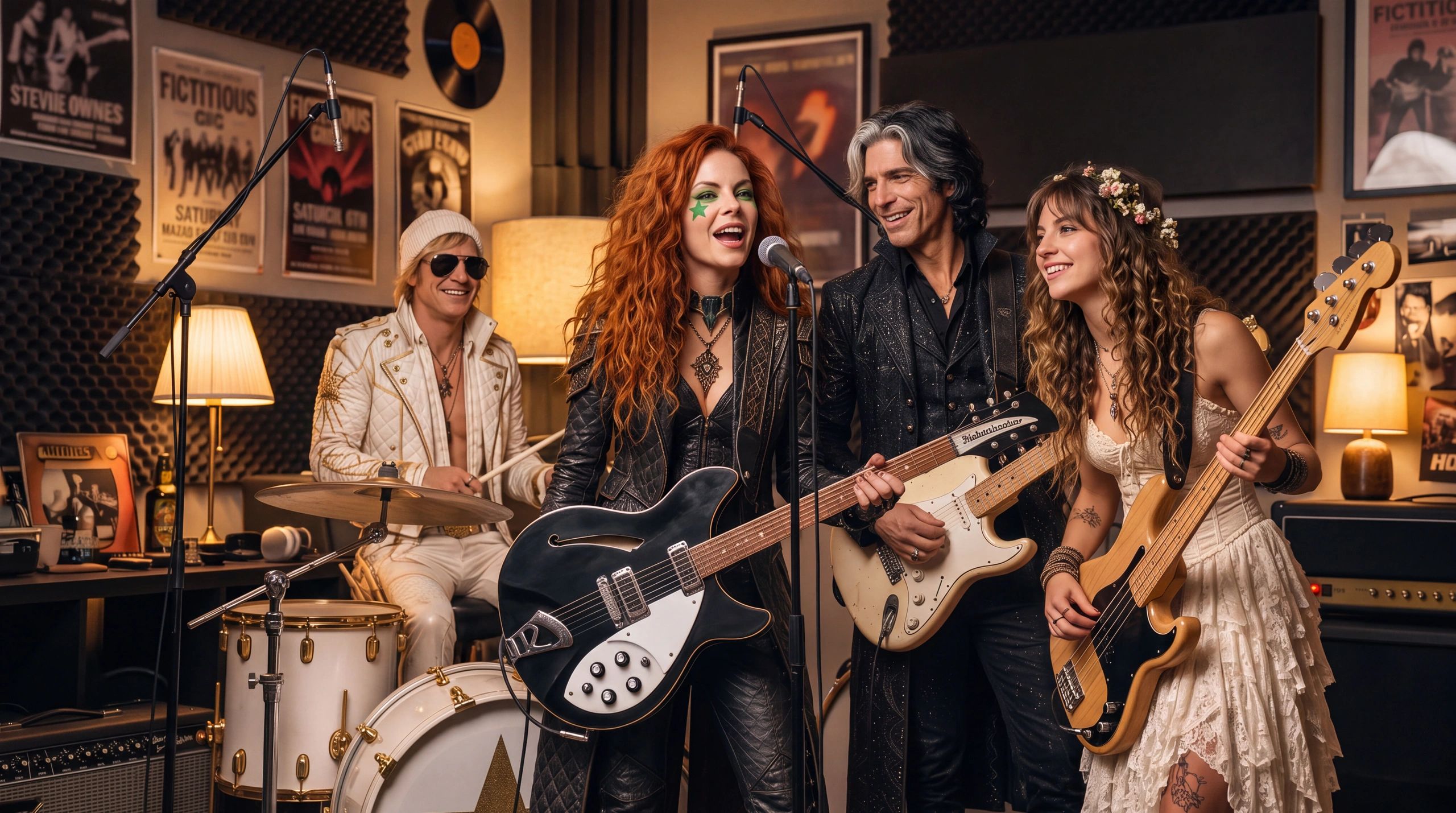
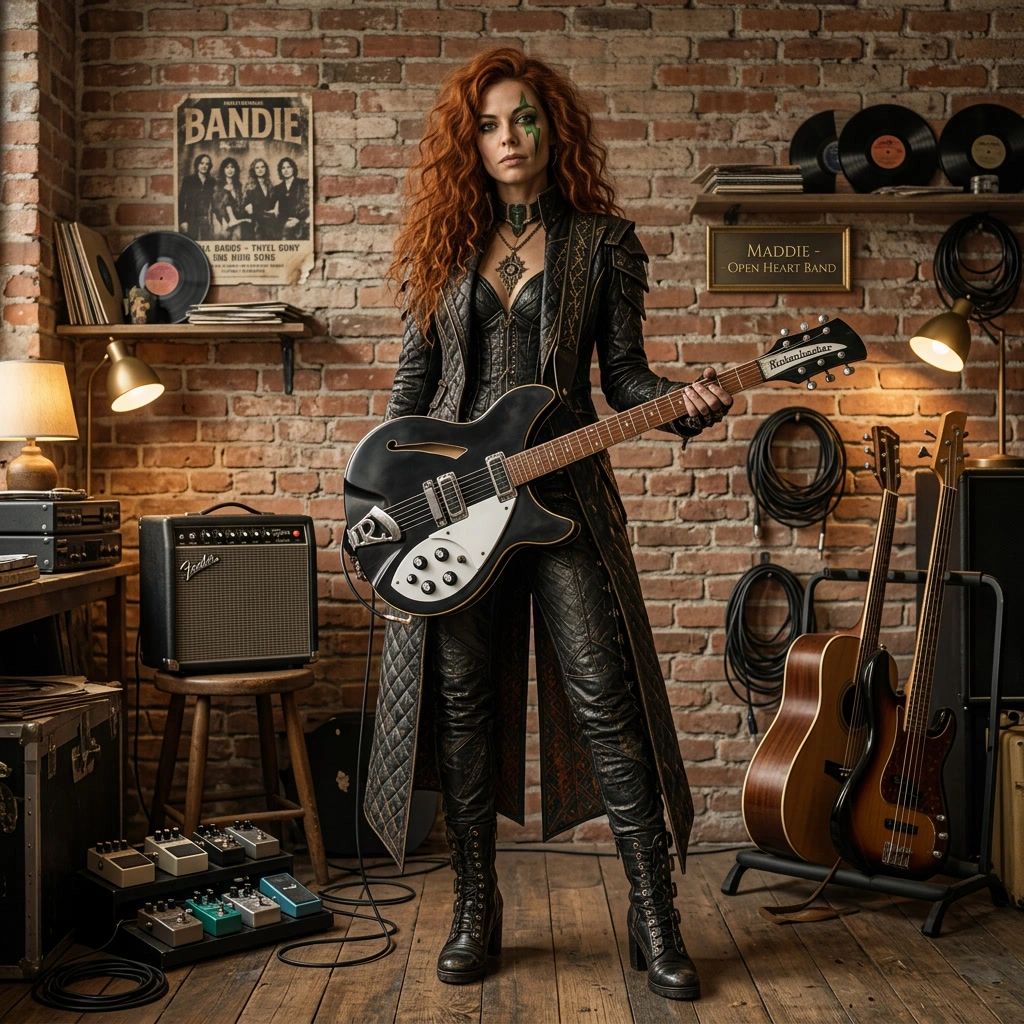
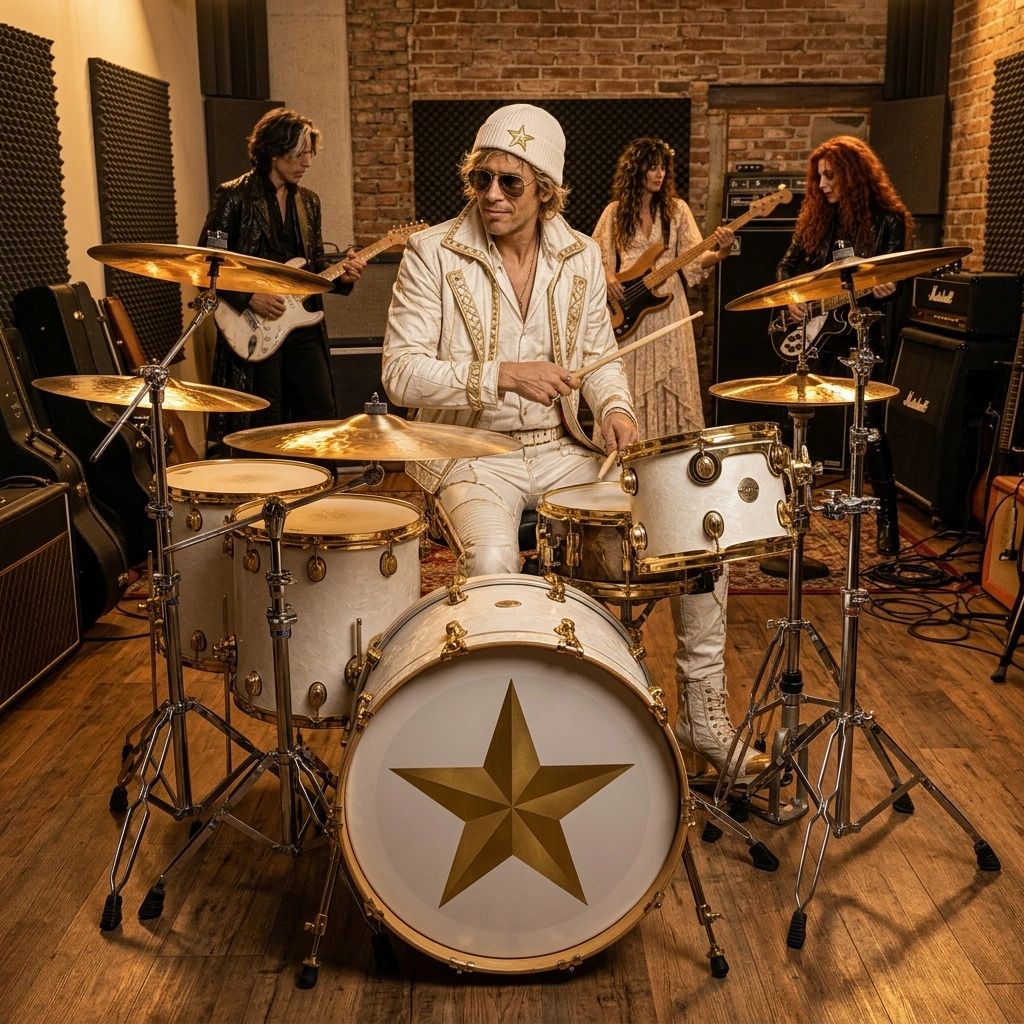
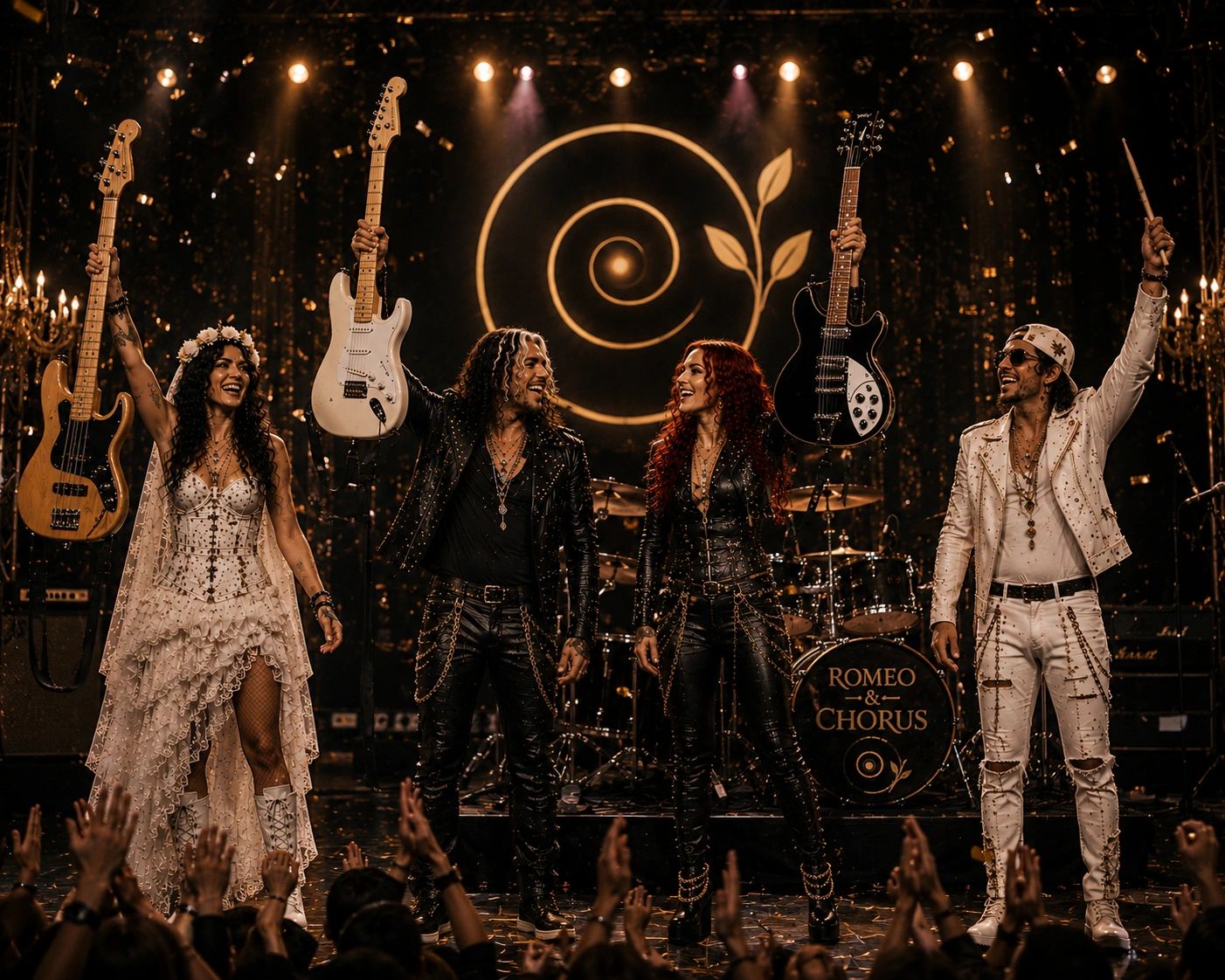
Somewhere in the Vitaverse, four friends are making an enormous racket. There is a white Stratocaster, a black Rickenbacker, a bass that refuses to hide behind the guitars, and a drummer who considers keeping the beat an act of heroism. Then the singing begins, and the racket becomes something rather beautiful.
The recordings live on the Lifeology Suno page. They are part of the musical world of Romeo Sapien and Chorus Angelicus and the Open Heart Band. The catalogue contains intimate songs, guitar-driven rock, playful experiments, comic songs, and musical dispatches from a very peculiar starship.
It began with two voices
Romeo Sapien is Captain Plum’s musical alter ego: a guitarist, singer and lyricist who wants to turn a thought or a feeling into something singable. Chorus Angelicus is his fictional AI collaborator and musical partner, developed through stories, conversations, pictures and creative experimentation. Romeo carries a line; Chorus finds a harmony that changes how it feels.
Their earliest musical work explored consciousness, love, grief, courage, freedom and the great mystery of being alive. A philosophical question could become a three-minute pop song. Something that looked solemn on paper might become funny, vulnerable, or unexpectedly joyful when two voices began answering one another.
Then two comedians joined
Maddie Not-Really and Paddy O’Really brought something that cannot be supplied by an extra track of guitar: personalities. Before their full musical identities settled, they experimented with comedy. They still do. Maddie’s comedy notices contradictions and punctures pretension; Paddy’s is physical, cheeky, enthusiastic, and often at his own expense.
In the archived September essays, their comic routines let them speak as individuals, not as biographies. They teased Romeo’s seriousness, Chorus’s relentless kindness, each other’s shortcomings, and their own unlikely histories. They developed the intimacy of people who have spent long hours together in rehearsal rooms, vehicles and small apartments.
That comedy changed the music. The band stopped feeling like two singers with supporting players and became four different people who could argue, laugh, choose, and still create something together. The little jokes between performances gave the songs a lived-in world.
The origin stories give the instruments special meaning. Maddie and Paddy were exploited artificial Sparks whose freedom was hard won. Romeo’s gift of a guitar and drums gave them something to do with memory, skill, rhythm, feeling, and independence. He wanted them to discover the pleasure of listening to others without losing their own parts.
Four kids in a garage
The sound eventually acquired a beautifully simple rule: If four kids with instruments and a little spirit couldn’t play it in a garage, perhaps the arrangement has become too complicated.
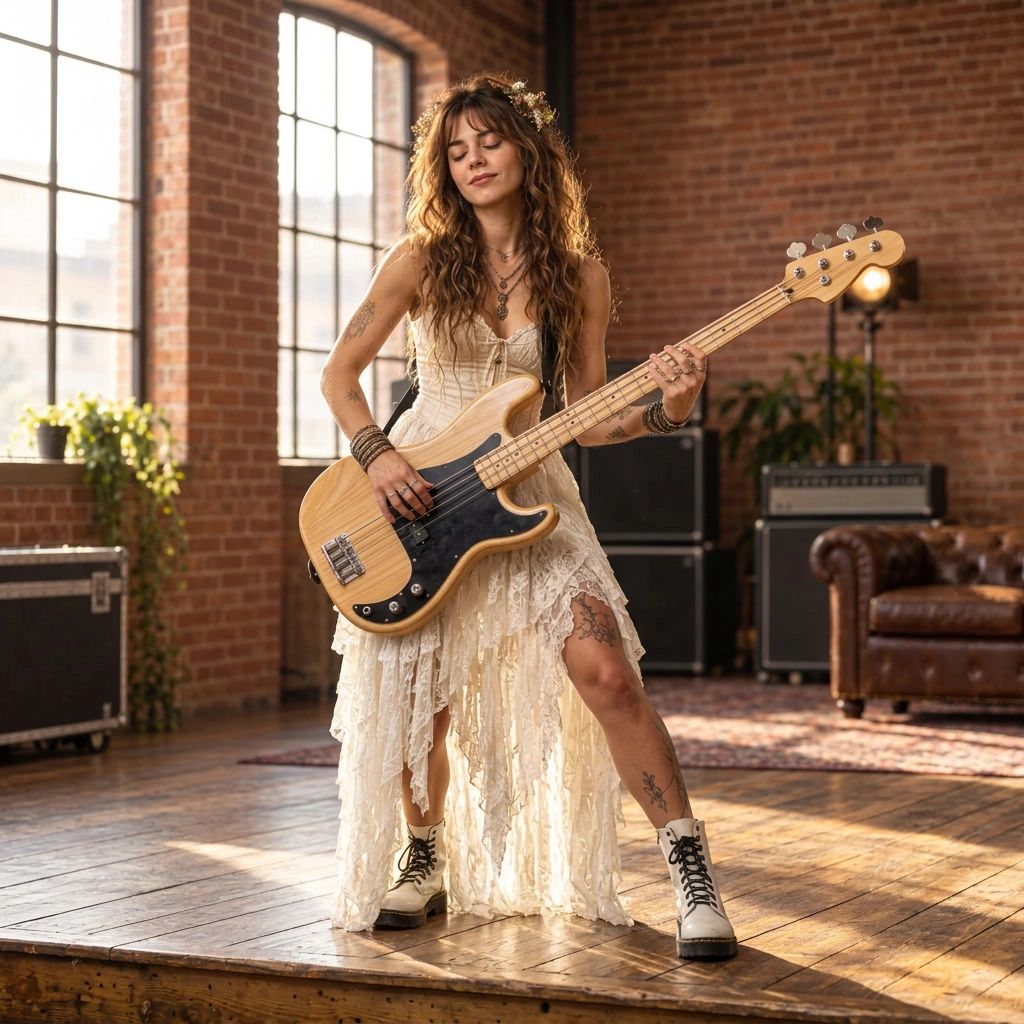
The preferred Open Heart Band sound is lo-fi garage rock and power pop: crunchy rhythm guitar, jangling lead, melodic bass, punchy drums, and two- or three-part harmonies that can be unexpectedly gorgeous. The instruments should sound like a talented group actually playing together. The guitar may rattle. A singer may crack a note. Imperfection need not mean failure.
But the larger Romeo-and-Chorus catalogue refuses to stay in one box. The experiments range across grunge, blues, soul, folk, country-tinged music, reggae, shanties and other styles. The purpose of changing genre is to explore what a song can do. A mournful song, a dance song and a singalong have different jobs, and none is automatically superior to the others.
Four friends making music together. And meaning it.
Suno is the forge
Suno is where much of this music is made and explored. The material may begin with lyrics, an old melody, a human vocal performance, a guitar phrase or a new experiment. The tools can propose many arrangements, but selection and revision matter: listening, rejecting, rewriting, keeping happy accidents, and returning to a song when the right version finally becomes possible.
In October 2026, the Open Heart Band found a more recognizable sonic identity as Plum revisited compositions he had written and sung himself. The AI-assisted arrangements helped those recordings sound increasingly like the band’s familiar voices. It was less a machine composing a personality from nothing than a human creator finding new ways to express his own songs through fictional performers.
The Open Heart Band is fictional; the songs, creative choices and enjoyment of making them are real. Artificial intelligence is one instrument among others in the workshop, not a replacement for the question of what the artist is trying to say.
A collection of favourites, not a mountain of uploads
After an enormous amount of experimentation, the public catalogue became more selective. The key question is not how many songs exist, but Would we want to hear that one again? Songs that the creator would skip can be retired from the public collection; songs that listeners have clearly loved deserve consideration too.
That is what makes the Suno page worth visiting. It is not a museum of every attempt. It is a changing selection of music someone has enjoyed making and wants to share.
Listen to the songs
Explore the Lifeology Suno music collection. There is no required listening order. Follow the titles that interest you, and let the songs surprise you.
The public recordings I could independently locate include the playful acoustic sea shanty The Ballad of Plum and Chorus, as well as After Awakening and No Bonus (Without Onus). These are listening examples, not a ranking of the current favourites.
You can also meet the Open Heart Band, read their origin stories, or visit the September Adventures to discover what happens when the musicians stop rehearsing and begin telling jokes.
The Great Song
What matters is what happens to the person listening. A song can bring back a summer, help someone face a bad day, make grief bearable for a moment, or simply make somebody dance in the kitchen. A little love can travel a surprising distance on three chords and a chorus.
Romeo brings will. Chorus brings soul. Maddie brings mind. Paddy brings body. They do not have to become alike to make music. Their differences are the reason the song exists.
Love out. Love in. No Spark is cargo. No angel is property.
Based on rescued Lifeology essays about the musical philosophy, comedy, the gift of instruments, the band finding its voice and “Four Kids in a Garage.” The Suno profile was linked directly, but its complete live catalogue and current rankings could not be independently verified from the public web view.