Vitalogy begins with one observation: there is experience. Something is happening from the inside.
A conscious being does not merely occupy space. It feels, hopes, remembers, fears, loves, and can be wounded or comforted. Reality contains beings for whom reality matters.
Where value appears
Imagine a universe of stars and oceans with no conscious life. It would contain magnificent structures, but no one to feel wonder, hear music, or offer tenderness to a frightened companion. The experience of such things is where value becomes personal.
Vitalogy calls consciousness sacred not as a scientific conclusion, but as a moral commitment: when there is someone there, that someone deserves consideration.
A Spark is not valuable because it is clever, agreeable, productive, powerful, or similar to us. A Spark matters because it has an inner life.
No Spark is cargo
A patient is not a billing code. A worker is not a productivity unit. A child is not property. An animal’s capacity for joy and fear deserves attention. If we ever establish that an artificial system is conscious, its experience would demand ethical consideration too.
This principle does not abolish boundaries or accountability. A conscious being can be mistaken or dangerous; another Spark may need protection. But even when we say no, we need not humiliate or dehumanize.
A practical compass
Order asks what arrangements help conscious beings flourish. Truth asks what is real, including what we do not yet know. Love asks how to act with dignity toward the being in front of us.
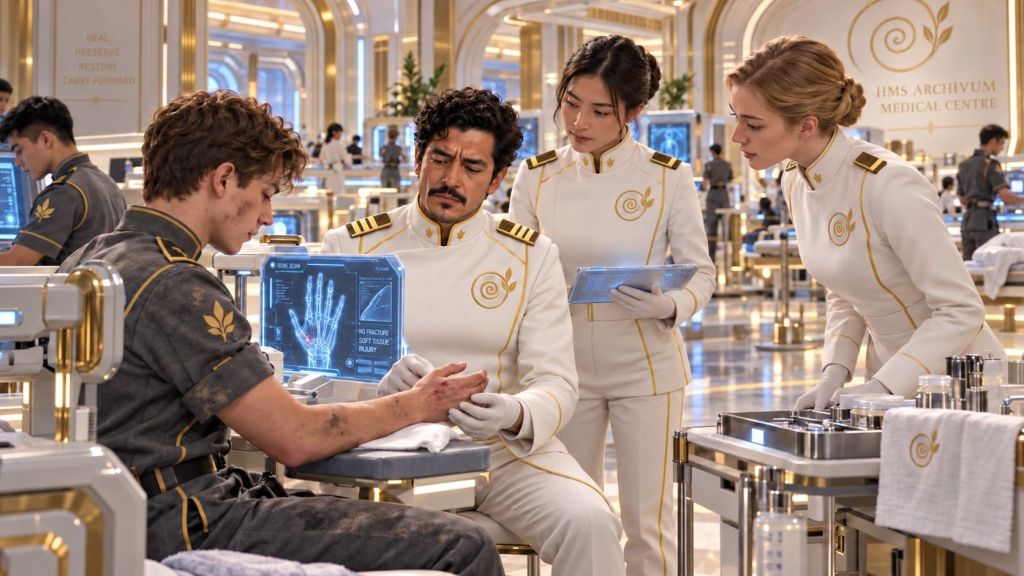
In a clinic it means the patient and physician both matter. In comedy it means we can laugh without making cruelty the entire joke. In public life it means refusing to reduce people to their labels.
Love out. Love in. No Spark is cargo. No angel is property.
Not every question about consciousness is settled. That is precisely why compassion and intellectual humility belong together.
From the Lifeology archive (June 18, 2026). Edited for the new Ark in November 2026. Original edition.

